
At a glance
How the threads run
| Thread | What it is | Rhythm |
|---|---|---|
| Peace in 90 Seconds | Founder and expert explainers: one idea, one source, one action | 1–2 a week, opening each week’s theme — 32 across the pilot |
| Pause Before You Share | Digital responsibility: rumour checks, a simple sharing habit, and pointers to South Sudanese fact-checkers | At least one focused action a month |
| Peace Where We Live | One small offline action every weekend | A weekly prompt; clubs and circles report what they did |
| 64 Voices, One Future | A representation standard: which communities are being heard, and which are missing | Reviewed monthly across all programmes |
Peace in 90 Seconds
Short explainers from our founder and invited experts. Each one carries one idea, one source and one action — small enough to watch on a slow connection and forward on WhatsApp.
They open each week’s theme, so the same idea then appears in the week’s letters, club sessions, talks and episodes. Across the pilot we aim to publish 32.
Watch the explainersOne idea
A single, clear point about peace, dialogue or responsibility.
One source
Where the idea or fact comes from, so you can check it.
One action
Something you can do this week, wherever you live.
Pause Before You Share
One habit, practised every month. Before you forward anything, ask three questions:
- Who made this?
- Who gains if I share it?
- Who gets hurt if it is false?
When you correct a rumour, lead with the truth — and avoid repeating the false claim in a way that spreads it further.
We would rather point people to established South Sudanese fact-checking efforts, such as #defyhatenow and 211Check, than build a verification operation of our own. We are not partnered with them.
Learn the habitMonthly focus during the pilot
| Month | Focus |
|---|---|
| October | The three-question sharing habit |
| November | Rumours that trigger revenge: check before reacting |
| December | Manipulated images and political content |
| January | Never share images of victims |
| February | Which habits have stuck |
Peace Where We Live
One small offline action every weekend — small enough for anyone to do within the week, wherever they live. We share a prompt each week; clubs and circles report back what they did.
Our pilot aims to document 24 actions, shared with permission.
Tell us what you didExamples of weekend actions
- Read a Letter for Peace aloud at dinner.
- Ask an elder one question about how people lived together.
- Greet someone from another community in their language.
- Kindly correct one rumour.
64 Voices, One Future
South Sudan is home to many communities. The figure 64 is widely cited, but it is not an official count. This thread is a way of working, not a checklist: each month we look across all our programmes at which communities are being heard — and which are missing.
It also has a flagship series inside Generations in Conversation, where every episode ends with the same question: What should our children inherit — and what should end with us?
Our rules
- Contributors choose whether to name their community.
- Titles and headlines never lead with tribal labels.
- There is no quota — we hear from communities steadily and honestly.
- We will never claim to have heard from every community.
Unity in diversity
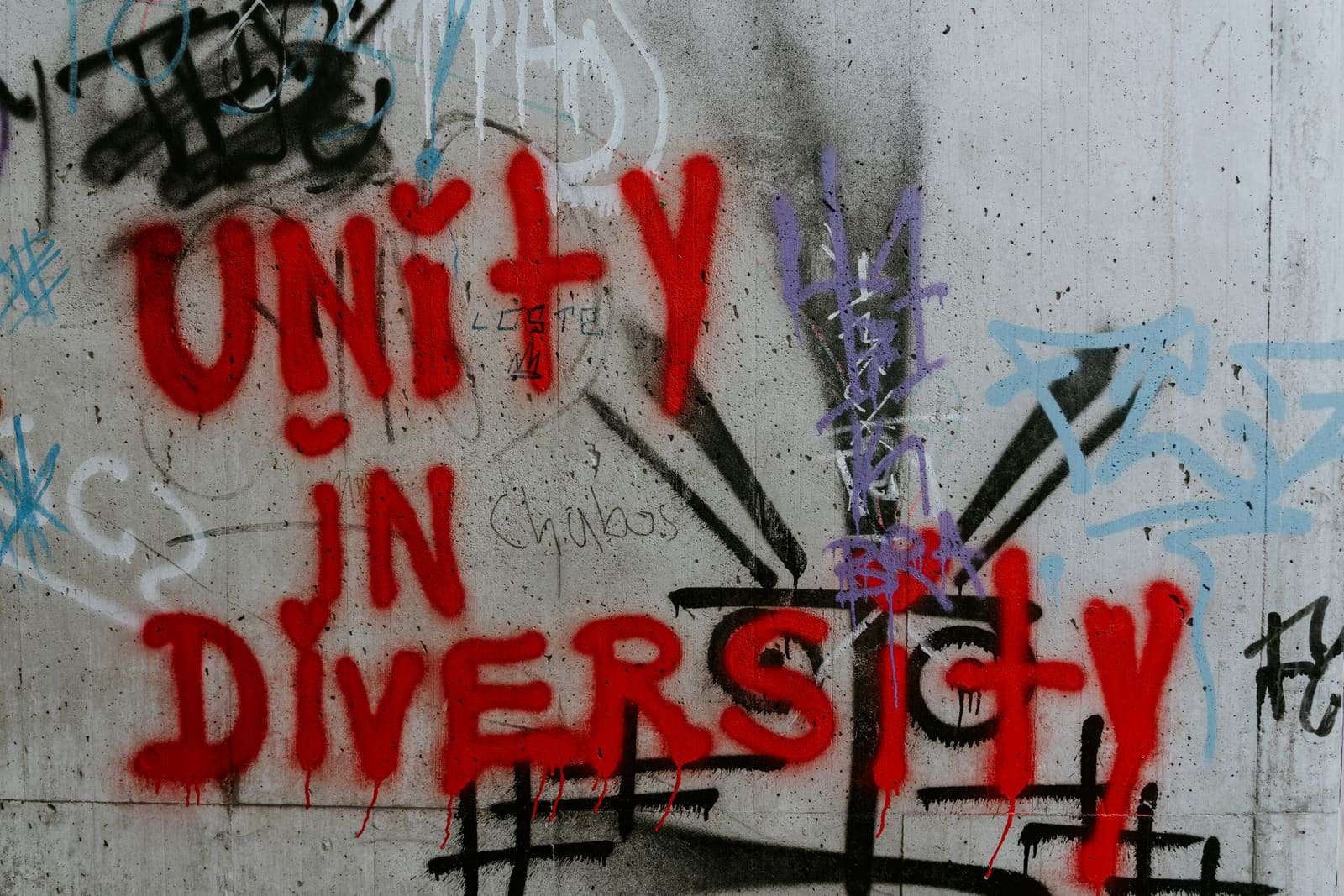
View photo: “Unity in diversity” painted in red on a concrete wall
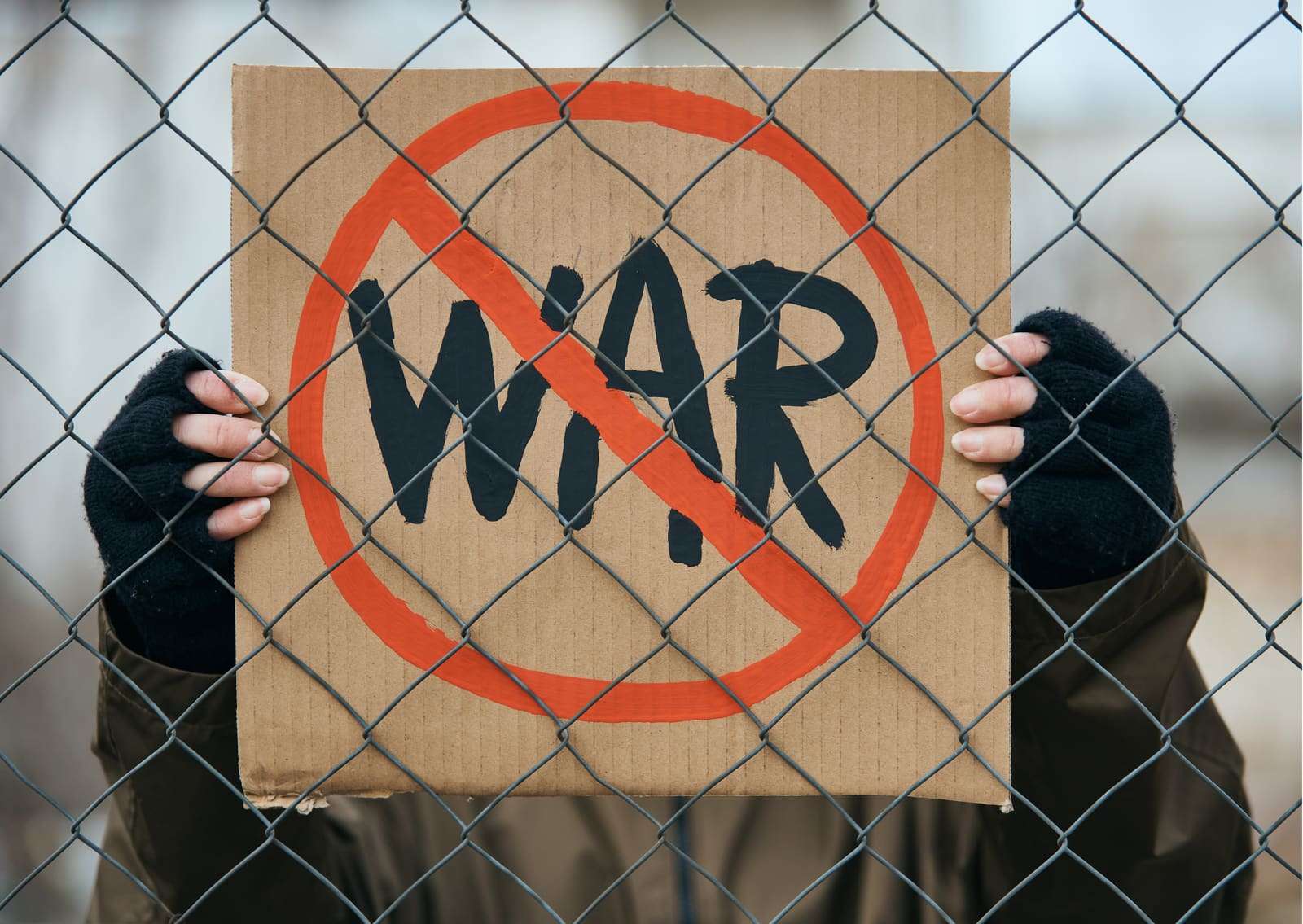
View photo: A hand-made “No war” sign held against a wire fence
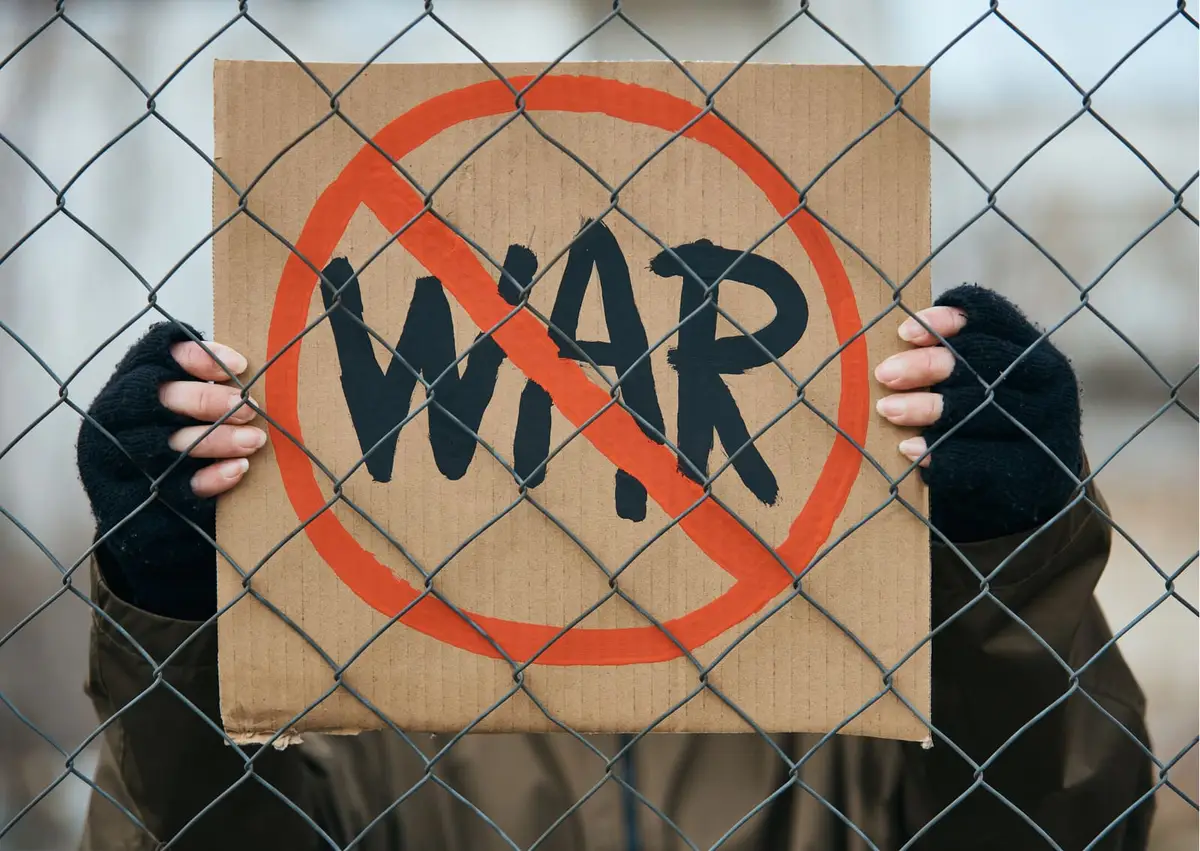
64 Voices is a standard we hold ourselves to across every programme — and a message we hope spreads further than our own work.
Get involved
Where you can contribute
Experts and practitioners
Record a Peace in 90 Seconds explainer: one idea, one source, one action.
Offer an explainerEveryone
Seen a rumour that could cause harm? Send it to us rather than forwarding it.
Send a rumourFamilies, clubs and circles
Do this week’s Peace Where We Live action and tell us what happened.
Share your actionVoices from every community
Help us hear from communities we have not yet reached — share your story in your own language.
Share your voice